
Black Seed Oil Long COVID: Thymoquinone Recovery Protocol
September 13, 2026
A 41-year-old managing director walks into my office eleven months post-COVID. Sharp on paper: he’s back to 5am workouts, back on the desk, closing deals. But he can’t explain why he now bloats after every meal, why loose stools show up the week before board presentations, or why, at 2pm sharp, his brain simply stops retrieving words mid-sentence on client calls. He’s already seen a gastroenterologist (normal colonoscopy) and a neurologist (normal MRI). Nobody has connected the two complaints. That’s the pattern I now see constantly, and it has a name: leaky gut long covid — a single broken barrier producing two seemingly unrelated symptom clusters.
Analysis by Dr. Thomas Piner, MD — Physician, health optimization specialist, and founder of HealthyBankers.com
Executive Summary
- Leaky gut long covid isn’t a metaphor — SARS-CoV-2 downregulates ACE2 in gut enterocytes, degrades tight junction proteins (claudin, occludin, ZO-1), and lets bacterial endotoxin (LPS) leak into systemic circulation.
- That circulating LPS activates TLR4/NF-κB signaling and, critically, crosses into central nervous system signaling pathways that activate microglia — the mechanistic bridge between GI symptoms and brain fog in the same patient.
- The interventions with the most evidence — barrier repair (glutamine, zinc carnosine, butyrate), targeted probiotic strains, and quercetin as a dual anti-inflammatory/junction stabilizer — are inexpensive, low-risk, and worth trying before escalating to LDN or FMT.
Bottom line up front: leaky gut long covid is a measurable, mechanistically plausible driver of a subset of Long COVID brain fog cases — not the whole story, but a legitimate, underexplored lever that’s currently being ignored in most standard post-COVID workups.
What Is Leaky Gut Long COVID?
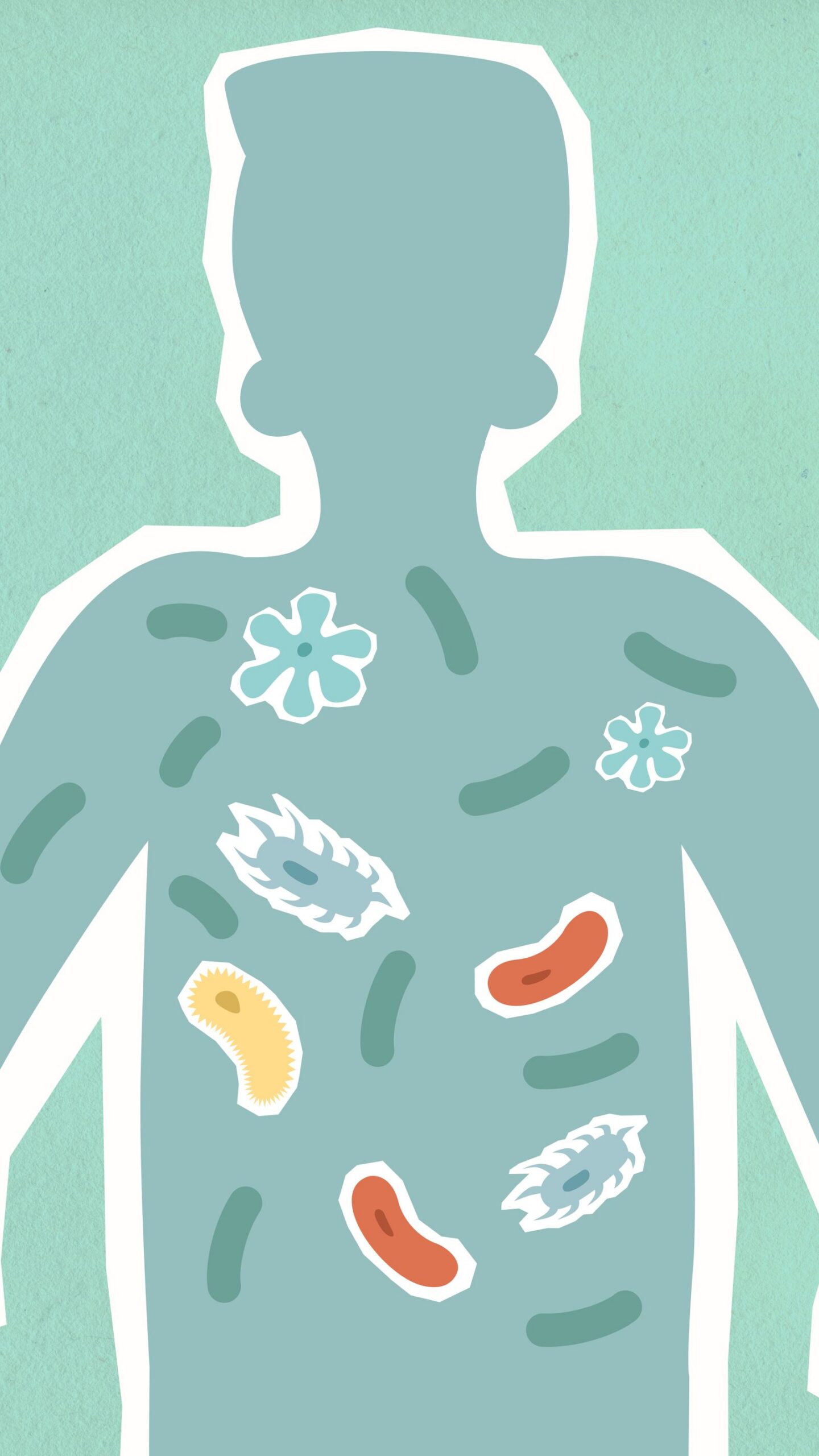
Leaky gut long covid describes a specific pathophysiological chain: viral damage to the intestinal epithelial barrier increases paracellular permeability, permitting translocation of lipopolysaccharide (LPS) and other microbial products into the bloodstream. This triggers systemic and neuro-inflammation that manifests as the co-occurring GI and cognitive symptoms so common in post-acute sequelae of SARS-CoV-2 infection (PASC). It is distinct from generic “leaky gut” wellness claims — this version has a defined viral trigger, a measurable biomarker (plasma zonulin, LPS-binding protein), and a growing evidence base in peer-reviewed literature, including a 2025 review on Long COVID and gut microbiome pathogenesis published in Gut Microbes.
The Biological Mechanism: How a Respiratory Virus Breaks the Gut Wall
Understanding leaky gut long covid requires starting at the point of entry. The entry point is not incidental. ACE2 receptor density in the small intestine brush border exceeds that of the lung by a wide margin — enterocytes are, mechanistically, a preferred SARS-CoV-2 target, not a bystander tissue. Viral RNA and spike protein have been detected in gut biopsies of pediatric and adult Long COVID patients months to years after acute infection, a finding replicated across multiple cohorts including PolyBio Research Foundation-funded work on intestinal spike persistence and a 2024 PMC review on gut microbiota’s role in Long COVID immune dysregulation.
Once the virus establishes itself in enterocytes, three things happen in sequence. First, direct cytopathic injury and downregulation of ACE2 disrupt local renin-angiotensin signaling, which independently regulates tight junction assembly. Second, the resulting local inflammatory response degrades claudin-1, occludin, and ZO-1 — the structural proteins that seal the paracellular space between epithelial cells. Third, with that seal compromised, lipopolysaccharide (LPS) from gram-negative gut bacteria crosses into the portal and systemic circulation, a process termed metabolic endotoxemia.
That’s not a subtle biochemical footnote. That’s the gut wall failing as a barrier.
Circulating LPS binds TLR4 on circulating monocytes and on brain-resident microglia, activating NF-κB and driving a systemic pro-inflammatory secretory phenotype (SASP)-adjacent cytokine cascade — IL-6, TNF-α, IL-1β. Frontiers in Immunology data on severe COVID-19 patients found significantly elevated markers of tight-junction permeability and bacterial/fungal translocation correlating with disease severity, and a plasma microbiome study in the International Journal of Molecular Sciences found LPS levels significantly elevated relative to healthy controls (p=0.0049). A 2023 mechanistic review in PMC further identifies intestinal barrier dysfunction as a key driver of severe COVID-19 outcomes.
From Gut to Glia: Closing the Loop on Brain Fog
LPS itself doesn’t cross an intact blood-brain barrier easily. But chronic low-grade endotoxemia sustains systemic cytokine elevation, and circulating IL-6 and TNF-α do cross — and they activate microglia directly. A 2025 narrative review in Neuroglia on COVID-19 and microglial activation found brain fog reported in 61% of Long COVID patients, with objective cognitive deficits confirmed on computerized testing in 37-40% of a 2025 cohort, and a separate PMC analysis of Long COVID brain fog as a neuroinflammation phenomenon corroborates the microglial mechanism. Microglial activation, once triggered, is not self-limiting — activated microglia release their own cytokines, prune synapses inappropriately, and disrupt the neurovascular unit, producing a self-sustaining neuroinflammatory loop that outlasts the initiating gut signal by months.
Gut dysbiosis compounds this. Long COVID cohorts consistently show depleted Bifidobacterium and Faecalibacterium prausnitzii — both major short-chain fatty acid (butyrate) producers — alongside pathobiont overgrowth. Butyrate itself is a primary fuel source for colonocytes and a direct upregulator of tight junction gene expression. Lose the butyrate producers, and you lose the raw material the gut needs to repair its own wall. This is a mechanistic vicious cycle, not two coincidental complaints.
Dr. Piner’s Clinical Take: “What I keep seeing in clinic is that gut and cognitive complaints almost always travel together in this population — but almost nobody is testing for it. I’ve had patients with a completely unremarkable GI workup who still had elevated LPS-binding protein on a research panel. That’s not proof the gut is the whole story for their brain fog. It probably isn’t. But when a 47-year-old executive has post-COVID bloating, new food sensitivities, and word-finding failures at 2pm daily, I’m not going to pretend those are unrelated systems. The honest answer is we’re treating a plausible mechanism with a reasonable safety margin, not a proven cure.”
The Interventions: A Leaky Gut Long Covid Protocol Stack
None of what follows is a cure. Framed correctly, this is systemic re-optimization of a damaged barrier — not a silver bullet. Evidence grades are noted for each so you can calibrate your own risk tolerance.
1. Gut Barrier Repair
- L-Glutamine, 5–10g/day — primary fuel source for enterocytes; supports tight junction protein synthesis. Evidence grade: mechanistic + small RCTs in critical illness/IBD populations, not yet Long COVID-specific.
- Zinc carnosine, 75mg/day — stabilizes gastric and intestinal mucosa; used clinically in Japan for mucosal repair since the 1990s. Evidence grade: RCT (non-COVID GI populations).
- Colostrum (bovine) — provides immunoglobulins and growth factors (IGF-1) that support epithelial regeneration. Evidence grade: mechanistic, limited human RCT data.
- Butyrate (as tributyrin or enteric-coated), 300-600mg/day — replaces what dysbiotic microbiomes fail to produce; directly upregulates claudin and occludin expression. Evidence grade: mechanistic, strong preclinical.
2. Microbiome Restoration
Not all probiotics are equal, and generic multi-strain blends are largely a waste of money here. The strains with actual mechanistic relevance:
- Lactobacillus rhamnosus GG — among the best-studied strains for barrier support and reducing intestinal permeability markers. Evidence grade: multiple RCTs (non-COVID).
- Bifidobacterium longum — directly targets the species depleted in Long COVID gut profiles. Evidence grade: mechanistic + observational Long COVID cohort data.
- Akkermansia muciniphila — mucin-layer specialist; associated with metabolic and barrier health, sold as a heat-pasteurized postbiotic in most markets. Evidence grade: mechanistic, early human trials.
- Postbiotics — butyrate and urolithin A — bypass the need to actually colonize; deliver the metabolite directly. Urolithin A additionally supports mitophagy, relevant to the mitochondrial dysfunction seen alongside gut barrier failure in Long COVID (see our Urolithin A mitophagy protocol).
3. Anti-Inflammatory Layer
- Quercetin, 500mg twice daily — does double duty: stabilizes tight junctions directly and acts as a mild senolytic, relevant given the endothelial senescence signature seen in persistent spike protein exposure (see our endothelial senescence and senolytics protocol). Evidence grade: mechanistic + small human trials.
- Fisetin — often paired with quercetin in senolytic stacks. Evidence grade: mostly preclinical/mechanistic in humans.
- Omega-3s (EPA/DHA, 2-3g/day) — modest but consistent anti-inflammatory effect on NF-κB signaling. Evidence grade: multiple RCTs (non-COVID inflammatory conditions).
4. LPS/Endotoxin Dampening
- Serum bovine immunoglobulin (SBI) — binds LPS and other microbial antigens in the gut lumen before translocation; FDA-regulated as a medical food for GI barrier support. Evidence grade: RCT (IBS-D, HIV enteropathy populations).
- Activated charcoal, short-term only — nonspecific toxin/LPS binder; not for daily long-term use given interference with medication absorption. Evidence grade: mechanistic.
- Intermittent fasting (14-16hr window) — supports gut rest and autophagy; some data suggests reduced intestinal permeability with time-restricted eating patterns. Evidence grade: mechanistic + limited human trials.
5. Diet Protocol
A staged approach outperforms an abrupt overhaul:
- Low-FODMAP transitional phase (2-4 weeks) to reduce fermentation load on an already-compromised barrier
- Structured reintroduction toward a Mediterranean pattern — polyphenol-rich, fiber-diverse, feeds the SCFA producers you’re trying to restore
- Avoid seed oils, processed sugar, and alcohol throughout — all three independently increase intestinal permeability in human studies, compounding the viral injury
6. Advanced/Clinical Options
- Low-dose naltrexone (LDN), 1.5–4.5mg nightly — dampens microglial activation via TLR4 antagonism at low doses; see our dedicated LDN for Long COVID brain fog breakdown of the NIH RECOVER trial data. Evidence grade: RCT signal, effect size modest and individually variable.
- Fecal microbiota transplant (FMT) — the most aggressive option. The Deakin University GLOW Trial and an NCT05556733 open-label pilot registered on ClinicalTrials.gov are actively testing FMT for post-acute COVID-19 syndrome, with early open-label data suggesting improvement in insomnia and anxiety scores. This is not an at-home intervention and should only be pursued through a registered clinical trial or specialist gastroenterology referral. Evidence grade: early-stage RCT/pilot, not yet standard of care.
Comparison Table: Standard Care vs. Emerging Longevity Protocols
| Domain | Standard Care | Emerging Longevity Protocol |
|---|---|---|
| GI symptoms | PPIs, antispasmodics, “IBS” label, symptomatic management only | Barrier repair stack (glutamine, zinc carnosine, butyrate) targeting root permeability |
| Brain fog | Referral to neurology, often “normal workup, reassurance” | LDN for microglial dampening + gut barrier repair as combined upstream/downstream approach |
| Microbiome | Generic multi-strain probiotic, if addressed at all | Targeted strains (L. rhamnosus GG, B. longum, A. muciniphila) + postbiotics |
| Inflammation | NSAIDs as needed | Quercetin/fisetin senolytic-adjacent stack + omega-3s targeting NF-κB specifically |
| Severe/refractory cases | Watchful waiting | Clinical-trial FMT (GLOW Trial, NCT05556733) under specialist supervision |
Science We’re Still Missing
Here’s what the current data does not establish. There is no large, placebo-controlled RCT proving that gut barrier repair alone resolves Long COVID brain fog — the mechanistic case is strong, the interventional evidence is thin. Most of the human trial data cited above (SBI, glutamine, zinc carnosine) comes from non-COVID GI populations, extrapolated to this context. The FMT trials are open-label pilots with small cohorts — promising signal, not a practice-changer. And we don’t yet have a validated, clinically actionable biomarker panel that reliably identifies which brain fog patients have a gut-driven component versus a primarily vascular (microclot) or mitochondrial one — which matters, because our NLRP3 inflammasome deep-dive and nattokinase microclot protocol both implicate overlapping but distinct upstream mechanisms. Long COVID brain fog is very likely multi-causal, and gut barrier failure is one contributing pathway among several, not a unifying theory of everything.
Practical Executive Takeaways
If you’re a high-performing professional managing leaky gut long covid quietly while still showing up to work, here’s the pragmatic sequencing:
- Start with the low-risk barrier repair stack (glutamine, zinc carnosine, targeted probiotics, quercetin) for 8-12 weeks before considering anything more aggressive
- Track GI and cognitive symptoms together, not separately — that correlation is itself diagnostic information your physician can use
- Consider LDN as a next step if brain fog persists despite gut-directed intervention, ideally under physician supervision given titration sensitivity
- Reserve FMT for enrollment in an active clinical trial, not off-label self-directed use
That’s a re-optimization framework, not a promise. Track your own data — bloating frequency, stool consistency, subjective and objective cognitive testing (a simple digit-span or Stroop test app works) — before and after each intervention layer.
Bottom Line: Does Fixing Leaky Gut Help Long COVID Brain Fog?
For a meaningful subset of Long COVID patients — particularly those with concurrent GI symptoms — yes, addressing gut barrier permeability appears to reduce the systemic inflammatory load that feeds microglial activation, and case-level improvement in cognitive symptoms has been reported with gut-directed intervention. It is not a universal fix, it is not fast, and it has not been proven in a large RCT specific to this population. Leaky gut long covid is a real, mechanistically coherent contributor to brain fog — treat it as one lever in a multi-system protocol, not the whole answer.
Frequently Asked Questions
What causes leaky gut long covid symptoms to appear months after infection?
Persistent viral spike protein and RNA in gut tissue, ongoing tight junction protein suppression, and secondary microbiome dysbiosis can all sustain intestinal permeability long after the acute infection clears, which is why symptoms often emerge or worsen months later.
Does leaky gut long covid actually cause brain fog, or is it just correlated?
The mechanistic pathway (LPS translocation → systemic cytokines → microglial activation) is well-documented, but causation in individual patients hasn’t been proven by controlled trials. It’s a plausible, testable contributor rather than an established sole cause.
What’s the fastest way to know if my brain fog has a gut component?
There’s no single definitive test, but the presence of concurrent new-onset GI symptoms (bloating, altered bowel habits, food sensitivities) alongside brain fog is a reasonable clinical clue. Research-grade panels can measure plasma zonulin and LPS-binding protein, though these aren’t yet standard clinical labs.
Is quercetin actually useful for leaky gut long covid, or is it hype?
Quercetin has legitimate mechanistic support for tight junction stabilization and mild senolytic activity, backed by small human trials. It’s not a cure, but at 500mg twice daily it’s low-risk and reasonably evidence-supported as part of a broader stack.
Should I pursue fecal microbiota transplant for Long COVID?
Only through an active registered clinical trial (such as the Deakin GLOW Trial or NCT05556733), not as a self-directed intervention. The evidence is early-stage and promising but not yet sufficient to support off-label use.
How long does gut barrier repair typically take?
Most of the interventions above are reasonably assessed over an 8-12 week window before judging effect. Tight junction protein turnover and microbiome shifts operate on a timescale of weeks, not days — this is not a same-week fix.
Related Reading on HealthyBankers.com
- LDN for Long COVID Brain Fog: The NIH RECOVER Trial Evidence
- NLRP3 Inflammasome & Long COVID Neuroinflammation
- Zombie Vasculature: Endothelial Senescence & Senolytics
- Urolithin A Mitophagy: The Post-Viral Immune Recovery Protocol
- Nattokinase for Long COVID Recovery
- EBV Reactivation & Long COVID Microaggregates
- Brain Health for Bankers: Protect Your Most Valuable Asset
Medical Disclaimer: This article is for informational and educational purposes only and does not constitute medical advice. It is not a substitute for professional diagnosis or treatment. Supplement and pharmaceutical interventions discussed (including LDN, SBI, and FMT) carry individual risks and require physician oversight, particularly for compounds with drug interactions or in the context of active clinical trial protocols. Always consult a qualified healthcare provider before starting any new supplement, medication, or treatment protocol, especially if you have an existing medical condition or are taking other medications.
