Hormesis
October 24, 2017
Ozone
October 24, 2017
Fasting for cognitive performance and recovery is one of the most powerful biohacking protocols available to banking and finance professionals — and it costs nothing. Strategic fasting triggers a cascade of physiological benefits that directly enhance the performance metrics that matter most in high-stakes finance environments: mental clarity, metabolic efficiency, stress resilience, and longevity.
NIH research on fasting confirms that extended fasting (3+ days) triggers anti-aging mechanisms, stem cell production, and powerful internal antioxidant systems. But you don’t need multi-day fasts to capture significant benefits — even 16-18 hour intermittent fasting windows produce meaningful results.
Fasting for Cognitive Performance: What Happens in Your Body
Three days of complete fasting activates internal antioxidant production, stimulates autophagy (cellular “self-cleaning”), and triggers stem cell regeneration. Harvard Health’s intermittent fasting research documents improvements in insulin sensitivity, inflammation markers, and cognitive function following fasting protocols — all directly relevant to professional performance.
However, extended fasting comes with a consideration worth noting for professionals recovering from stress-related conditions: cortisol levels may increase as the body activates adrenal function during food deprivation. For anyone with adrenal fatigue or chronic stress burden, gradual introduction of fasting protocols is advisable.
Intermittent Fasting for Finance Professionals
Intermittent fasting (IF) — typically 16:8 (16 hours fasting, 8-hour eating window) — is gentler than extended fasting and easier to integrate into a finance professional’s schedule. Research in the New England Journal of Medicine found that intermittent fasting improves metabolic health, reduces inflammation, and may enhance cognitive resilience under stress.
The Leangains protocol (leangains.com) pioneered the 16:8 approach and remains an excellent resource for learning fasting for cognitive performance and recovery. Key practical tips:
- Skip breakfast — eat your first meal at noon and last meal at 8pm
- Drink black coffee, green tea, or water during the fasting window
- Start with 12-hour fasts if 16 hours feels challenging initially
- Schedule your highest cognitive load work in the fasted state — many professionals report superior focus and clarity
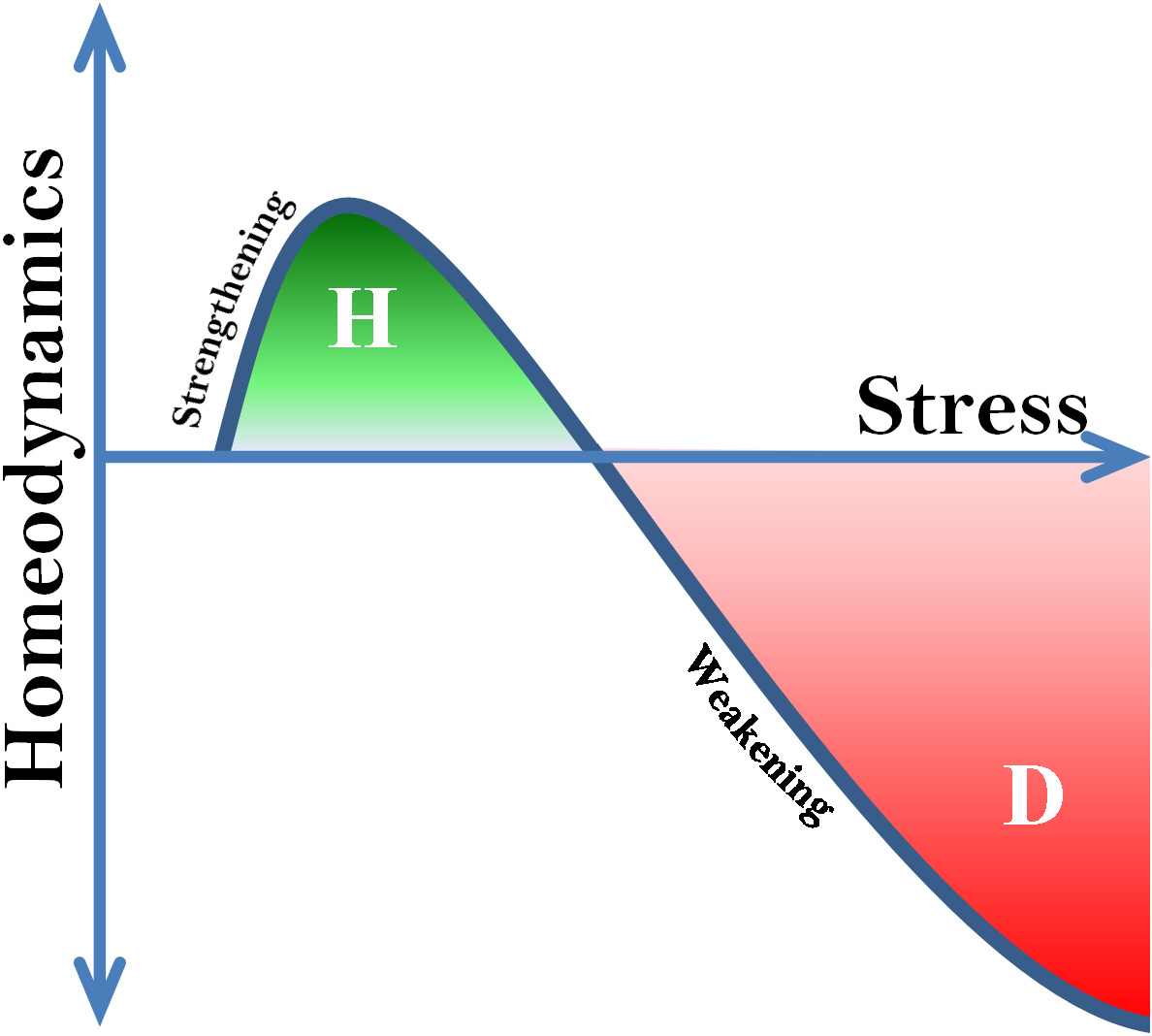
Fasting integrates powerfully with other performance protocols. Understand how gut health optimization compounds the benefits of fasting, explore hormesis principles to understand why deliberate stress triggers like fasting build long-term resilience, and read our guide on the worst foods for brain health to understand what to avoid during your eating window.