EBV Reactivation & Long COVID Microaggregates: The Dual-Hit Mechanism Driving Chronic Fatigue
May 16, 2026
NLRP3 Inflammasome & Long COVID Neuroinflammation: The Master Switch Driving Brain Fog and Fatigue
June 20, 2026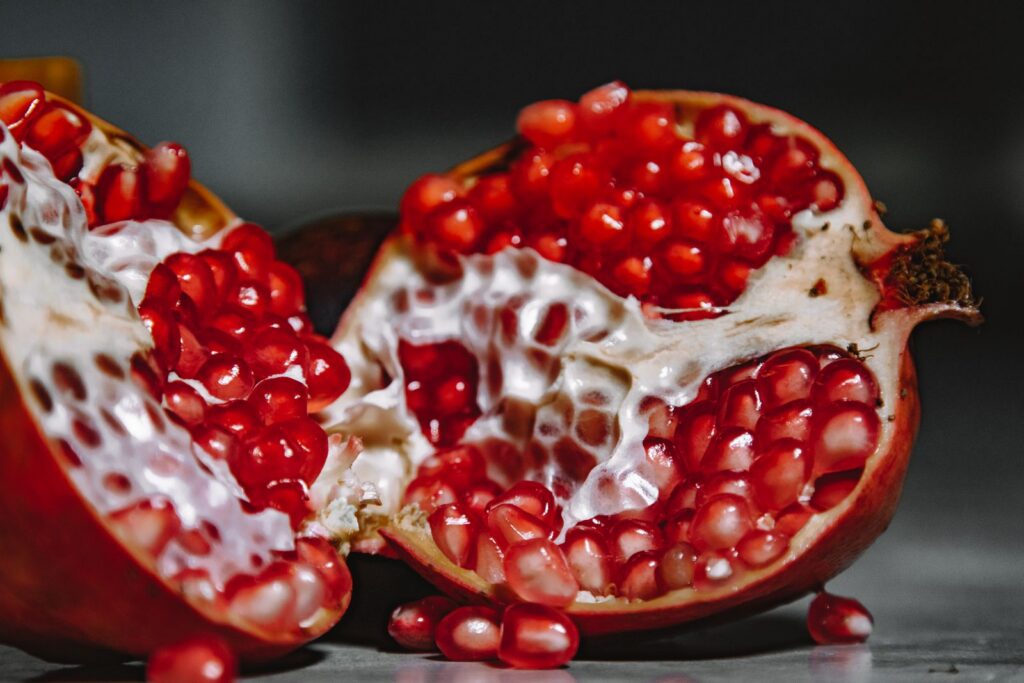
Urolithin A mitophagy post-viral immune recovery represents one of the most clinically compelling intervention targets to emerge from 2025 translational research — a gut-derived postbiotic that directly activates the PINK1/Parkin mitophagy pathway to clear dysfunctional mitochondria from exhausted immune cells, with human RCT data to back it up.
For finance and banking professionals navigating Long COVID, ME/CFS, or simply the cumulative immune erosion of a high-cortisol career, this is not wellness content. This is a mechanistic breakdown of bioenergetic failure at the cellular level — and a protocol for beginning to reverse it.
Executive Summary: The Alpha of Urolithin A in Post-Viral Immune Recovery
- RCT-validated dose: 1,000 mg/day of Urolithin A for 4 weeks significantly expanded naive-like, less terminally exhausted CD8+ T cells in middle-aged adults (PMID 41174221, Nature Aging, 2025), shifting the immune phenotype toward a more youthful, surveillance-capable state (P = 0.0437).
- Mechanism, not magic: UA activates the PINK1/Parkin mitophagy pathway — selectively degrading damaged mitochondria in immune cells — to break the cycle of bioenergetic failure → T-cell exhaustion → failed viral clearance that underlies Long COVID and ME/CFS.
- Stack architecture: UA’s mitophagy induction is amplified by co-administration with NAD+ precursors (NMN/NR) and CoQ10, which support mitochondrial biogenesis downstream of mitophagy, creating a full clearance-and-rebuild cycle rather than clearance alone.
The Biological Mechanism: How Post-Viral Infection Drives T-Cell Exhaustion Through Mitochondrial Fragmentation
Understanding why urolithin A mitophagy is relevant to post-viral immune recovery requires tracing the damage pathway from initial infection to chronic immune dysfunction. SARS-CoV-2 — and reactivated latent viruses including EBV and HHV-6 — trigger a cascade that begins in the mitochondria of immune cells and ends with a collapsed surveillance capacity.
Step 1: Viral Hijacking of Mitochondrial Integrity
SARS-CoV-2 proteins interact with the MAVS (Mitochondrial Antiviral Signaling) protein anchored on the outer mitochondrial membrane. This interaction disrupts cristae architecture — the inner membrane folds where ATP synthase complexes are embedded — causing cristae swelling and reduced electron transport chain efficiency. The result is a measurable drop in oxidative phosphorylation capacity and a compensatory upregulation of glycolysis (the “Warburg-like” metabolic shift seen in ME/CFS). In plain terms: your immune cells are running on reserves, not main power.
Damaged mitochondria that cannot be cleared via mitophagy accumulate reactive oxygen species (ROS) as electron transport chain leak increases. This redox imbalance triggers a Systemic Pro-inflammatory Secretory Phenotype (SASP) in affected immune cells — they stop functioning efficiently and start secreting inflammatory cytokines including IL-6, TNF-α, and IL-1β, which were all measured as outcomes in the 2025 RCT. Elevated circulating cytokines then further suppress naive T-cell generation, creating a self-reinforcing cycle of immune senescence.
Step 2: T-Cell Exhaustion and the CD8+ Naive Compartment Collapse
Naive CD8+ T cells — the “fresh recruits” of the immune system capable of mounting responses to new or reactivating viral threats — are disproportionately dependent on mitochondrial oxidative metabolism. Research published in a 2025 review on mitochondrial dysfunction in Long COVID (PMC11336094) and Springer’s analysis of dysfunctional mitochondria in ageing T cells confirms that CD8+ naive compartment depletion correlates directly with impaired mitochondrial biogenesis and elevated mitochondrial membrane potential loss. What this means for you: as mitochondrial quality degrades in Long COVID or ME/CFS, the immune system’s capacity to surveil for reactivating EBV or HHV-6 collapses precisely when it’s most needed.
This is the cellular basis of the PEM (Post-Exertional Malaise) threshold that ME/CFS patients encounter: the ATP deficit in immune cells is so severe that even moderate immune activation (exercise, infection, stress) triggers an energy collapse that can last days to weeks. The mitochondria cannot supply the metabolic demands of an activated immune response.
Step 3: The PINK1/Parkin Reset — Where Urolithin A Intervenes
Mitophagy — the selective autophagy of damaged mitochondria — is the cell’s primary quality control mechanism for the mitochondrial network. The canonical pathway involves PINK1 (PTEN-induced kinase 1) accumulating on the outer membrane of depolarised mitochondria, phosphorylating ubiquitin, and recruiting Parkin (an E3 ubiquitin ligase) to tag damaged organelles for lysosomal degradation. In healthy aging and post-viral states, this pathway is consistently downregulated.
Urolithin A directly activates PINK1/Parkin-dependent mitophagy. In the 2025 RCT’s ex vivo mechanistic arm, human PBMCs treated with 25 µM UA for 24 hours showed significantly elevated PINK1 and Parkin protein expression in CD3+ T cells (PMC12618261). Lysosome formation was also increased at 12 hours, confirming active mitochondrial clearance was initiated. The practical implication: UA doesn’t just mask symptoms — it removes the source of the bioenergetic failure.
A 2025 NIH/PMC review on urolithin A in central nervous system disorders (PMC12292995) further confirms that UA’s neuroprotective effects — relevant to Long COVID brain fog and microglial activation — are also mediated through mitophagy induction, with downstream reductions in neuroinflammatory signalling. This dual immune/neurological action makes UA uniquely relevant to the full post-viral symptom profile.
The Interventions: Urolithin A Mitophagy Post-Viral Protocol
Core Agent: Urolithin A (1,000 mg/day — RCT-Validated Dose)
The MitoImmune trial (NCT05735886) used 1,000 mg/day of Mitopure® — Amazentis SA’s proprietary crystalline form of UA, which provides standardised bioavailability. This is a critical point: only approximately 40% of the adult population produces sufficient UA from dietary ellagitannins (pomegranate, walnuts, berries) via gut microbiome conversion. If your gut microbiome lacks the relevant Gordonibacter and Ellagibacter species, dietary pomegranate intake will not produce meaningful plasma UA concentrations. Direct supplementation bypasses this conversion dependency.
Generic UA supplements (capsules, powders) exist and are less expensive than Mitopure, but bioavailability data for non-crystalline forms is limited. At current evidence levels, Mitopure has the most robust human pharmacokinetic data. For those optimising cost, a 500 mg generic UA product taken with a fat-containing meal may approximate some of the bioavailability advantage, though this is not yet RCT-validated.
Synergist Stack: Completing the Mitochondrial Rebuild Cycle
Mitophagy clears damaged mitochondria, but lasting bioenergetic recovery requires the cell to rebuild a healthy mitochondrial network — a process called mitochondrial biogenesis, driven by PGC-1α activation. The 2025 RCT showed UA significantly increased PGC-1α expression in CD8+ T cells at day 28, but this downstream biogenesis can be amplified with targeted co-administration:
- NAD+ Precursors (NMN or NR, 250–500 mg/day): NAD+ is the rate-limiting cofactor for sirtuin-1 (SIRT1) and SIRT3, both critical activators of PGC-1α and mitochondrial biogenesis. Post-viral NAD+ depletion is well-documented. We have covered the NAD+/mitochondrial connection in depth at our mitochondrial health and NAD+ longevity guide.
- CoQ10 (Ubiquinol form, 200–400 mg/day): UA-mediated mitophagy produces “fresh” mitochondria via biogenesis, but the electron transport chain complexes in those new mitochondria still require CoQ10 as an electron carrier. Ubiquinol (the reduced form) is preferred for absorption in adults over 40.
- PQQ (Pyrroloquinoline Quinone, 10–20 mg/day): PQQ activates PGC-1α independently and stimulates mitochondrial biogenesis. It serves as a complementary signal to NMN/NR, addressing the biogenesis side of the equation while UA handles clearance.
- Senolytics (Fisetin 500mg + Quercetin 1,000mg — 2-day pulse, monthly): For post-viral contexts involving endothelial senescence and SASP, senolytic clearance of virally-induced “zombie cells” reduces the chronic inflammatory milieu that suppresses mitophagy effectiveness. We cover this protocol in detail in our endothelial senescence and senolytics guide.
Neurological Dampening: LDN as a Complement
For individuals with significant neuro-inflammation (Long COVID brain fog, PEM crashes), mitophagy optimisation alone may be insufficient if microglial activation is driving sustained neuroinflammation. Low-Dose Naltrexone (LDN, 1.5–4.5 mg/night) operates via a different mechanism — modulating toll-like receptor 4 (TLR4) on microglia and macrophages — and has been explored as a complementary neurological dampening agent. We have detailed the TRPM3/LDN mechanism in our LDN and TRPM3 Long COVID breakdown.
Standard Care vs. Mitophagy-First Protocol: The Comparison
The table below frames the clinical positioning of urolithin A mitophagy post-viral immune recovery protocols relative to standard supportive care:
| Parameter | Standard Immune Support | Mitophagy-First Protocol (UA-Centred) |
|---|---|---|
| Approach | Vitamins C/D, zinc, rest, pacing | UA 1,000 mg/day + NAD+ precursor + CoQ10 stack |
| Primary Mechanism | Antioxidant support, cofactor supplementation | PINK1/Parkin mitophagy activation → damaged mitochondria clearance → biogenesis |
| Target | Symptom attenuation | Upstream bioenergetic failure correction |
| Human RCT Evidence | Moderate (Vitamin D, zinc RCTs in general populations) | High — double-blind, placebo-controlled, Nature Aging 2025 (PMID 41174221) |
| Effect on CD8+ T Cells | Indirect; limited immune phenotype data | Direct: expanded naive CD8+, reduced TOX expression (exhaustion marker), +14.72pp FAO capacity |
| Expected Timeline | Days to weeks (symptom level) | 4 weeks for measurable immune phenotype shift; 3–6 months for sustained bioenergetic recovery |
| Accessibility | OTC; low cost | Mitopure ~$70–90/month; generic UA $25–40/month |
| Neurological Effect | Minimal direct effect | Indirect via reduced neuro-inflammation; amplified with LDN add-on |
| PEM Threshold Impact | None mechanistically | Potential improvement via restored ATP generation capacity in activated immune cells |
Executive Takeaways: Practical Protocol Framing for Finance Professionals
If you are a finance professional dealing with post-viral fatigue, immune cycling, or unexplained cognitive and energy dysregulation after COVID-19 or an EBV episode, the UA protocol is not a wellness add-on — it is a targeted molecular intervention with the strongest human evidence currently available for immune mitochondrial re-optimisation. Here is how to approach it practically:
- Baseline assessment first: A complete blood count with differential (looking at CD8+ percentage), inflammatory markers (CRP, IL-6 if available), and NAD+ plasma levels (offered by some longevity clinics) establishes your starting bioenergetic and immune phenotype.
- Start UA monotherapy for 4 weeks: Replicate the RCT protocol — 1,000 mg UA per day with breakfast (fat-containing meal improves absorption). Do not stack everything simultaneously at the outset; you want to establish tolerability and observe baseline UA response.
- Add NAD+ precursor at week 5: Introduce 250–500 mg NMN or NR to support downstream biogenesis. We have reviewed the at-home NAD+ delivery options including NAD+ injections and smart pen delivery systems for those seeking maximum bioavailability.
- Monthly senolytic pulse: The Fisetin + Quercetin protocol (2-day pulse, 500 mg/1,000 mg respectively) reduces the SASP burden that otherwise limits mitophagy effectiveness. Time it to a low-demand weekend.
- Retest at 12 weeks: Repeat inflammatory markers and, if accessible, a flow cytometry immune panel to objectively assess CD8+ phenotype changes. Recovery framed as data, not feelings.
The community data from r/covidlonghaulers (June 2025 threads) reports meaningful subjective gains — reduced PEM severity, improved cognitive stamina — after 6–12 weeks on UA-centred protocols, often combined with NAD+ precursors. This is anecdotal and not controlled, but directionally consistent with the mechanistic and RCT data. The convergence of mechanistic evidence, RCT data, and patient-reported outcomes makes this one of the stronger signals in the Long COVID intervention space.
For those navigating EBV reactivation as a driver of chronic fatigue — a “hit-and-run” viral trigger mechanism — the immune surveillance restoration aspect of UA is particularly relevant. We have covered the EBV reactivation and Long COVID microaggregate mechanism in a companion post. Additionally, for the vascular microclot dimension of Long COVID that can compound fatigue via hypoxia, our post on nattokinase and fibrinolytic clearance of spike protein fragments addresses a parallel pathway worth integrating.
Frequently Asked Questions
Does Urolithin A directly treat Long COVID?
No clinical trials have enrolled Long COVID patients specifically with UA as the intervention (as of mid-2026). The 2025 RCT (PMID 41174221) enrolled healthy middle-aged adults. The mechanistic rationale for application in Long COVID/ME-CFS is strong — viral-driven T-cell exhaustion and mitochondrial dysfunction share the same PINK1/Parkin deficiency — but this is currently evidence-informed extrapolation, not direct Long COVID RCT evidence. Consult a physician before starting.
What is the difference between Mitopure and generic Urolithin A supplements?
Mitopure (Amazentis/Timeline Nutrition) is the crystalline form of UA used in multiple published RCTs, with published human pharmacokinetic data confirming plasma concentrations. Generic UA supplements vary in formulation and bioavailability data is sparse. If budget allows, Mitopure is the evidence-backed choice; otherwise, fat-co-administration with generic capsules is a reasonable bioavailability optimisation strategy.
How does Urolithin A affect the PEM threshold in ME/CFS?
PEM is driven by ATP deficits in immune cells forced into glycolysis due to mitochondrial dysfunction. UA-mediated mitophagy clearance and subsequent mitochondrial biogenesis — evidenced by PGC-1α upregulation in the 2025 RCT — should theoretically raise the bioenergetic floor available to immune cells, potentially raising the PEM threshold. This effect has not been directly measured in ME/CFS patients but is the mechanistic rationale for current patient-led trials.
Is Urolithin A safe to combine with LDN?
No known drug-drug interactions have been identified between UA and Low-Dose Naltrexone. Both address different biological targets (mitophagy pathway vs. TLR4/microglial signalling). However, combining novel interventions should always be done under medical supervision, particularly in post-viral recovery contexts where immune system modulation carries complexity.
Conclusion: A Re-Optimization Framework, Not a Cure
The urolithin A mitophagy post-viral immune recovery evidence base is, as of 2025–2026, the most mechanistically coherent and RCT-supported oral intervention for immune mitochondrial re-optimisation in the post-viral context. It does not cure Long COVID. It addresses one of the most upstream and well-characterised failure points in the cascade: the inability of immune cells to clear their own damaged mitochondria and restore adequate ATP generation capacity.
For finance professionals who treat their health with the same analytical rigour they apply to portfolio construction — seeking evidence quality, risk-adjustment, and asymmetric upside — the UA protocol offers a reasonable evidence-to-cost ratio with a manageable safety profile. Stack it with the mechanistic logic, not the marketing copy.
Medical Disclaimer: This article is for informational and educational purposes only. It does not constitute medical advice, diagnosis, or treatment. Urolithin A supplements have not been approved by the FDA for the treatment of Long COVID, ME/CFS, or any other disease. Always consult a qualified healthcare provider before starting any new supplement protocol, particularly if you have a diagnosed medical condition or are taking prescription medications. The studies cited are real, but extrapolation to specific patient populations (Long COVID, ME/CFS) involves scientific inference beyond direct RCT evidence in those populations.